
Selecting the best type of heating system for your place is a critical decision that affects your comfort, energy bills, and long-term running costs. Gas boilers and heat pumps represent the two most frequently used types of heating systems today.
Both systems are utilised to heat homes and produce hot water. However, they operate in fundamentally different ways and offer distinct advantages depending on your property and requirements. Gas boilers produce heat by burning natural gas to warm water, circulated through radiators or underfloor systems to heat your home. In contrast, the heat pump generates heat by extracting existing heat from the surrounding air or soil and transferring it to your house by means of running electricity through the unit. This blog will explain the differences between heat pumps and gas boilers to help you choose the right option.
What is a Heat Pump?
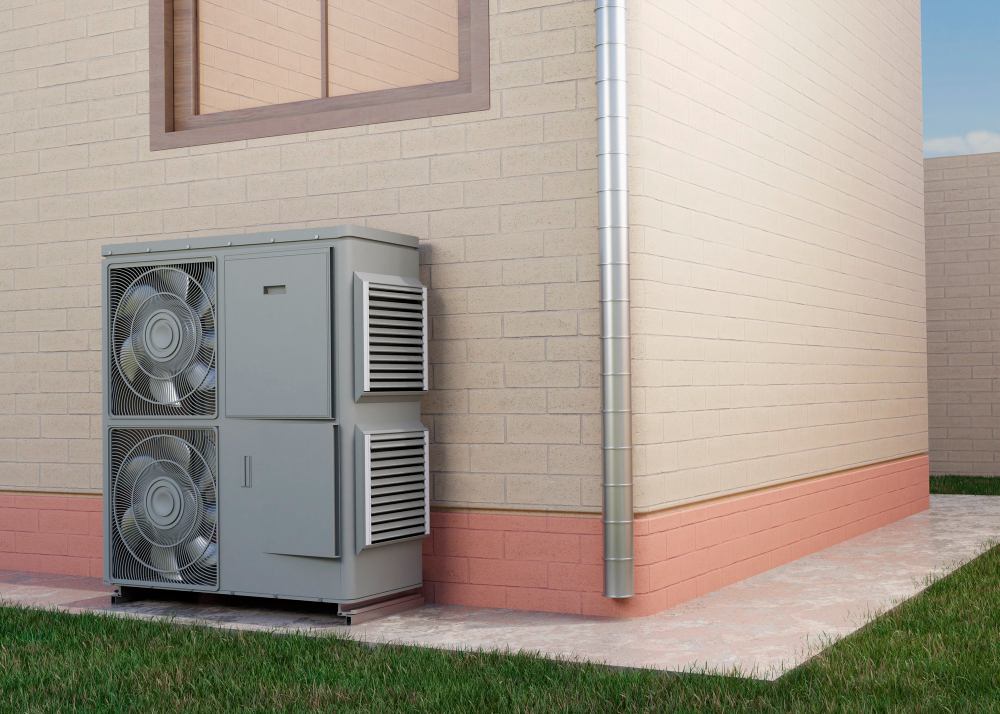
A heat pump doesn’t create heat traditionally. Instead, it moves heat between areas, making it a very efficient heating option. It draws in heat from the outdoors and transfers it indoors.
Think of it like a refrigerator, but in reverse: instead of removing heat from inside and releasing it outside, it takes heat from outside and brings it inside. There are two main types of heat pumps:
- Air Source Heat Pumps: They draw heat from outside air; they are the most common and generally more affordable to install.
- Ground Source Heat Pumps: They extract heat from the ground via underground pipes. They are more efficient but involve higher installation costs due to excavation work.
What is a Gas Boiler?
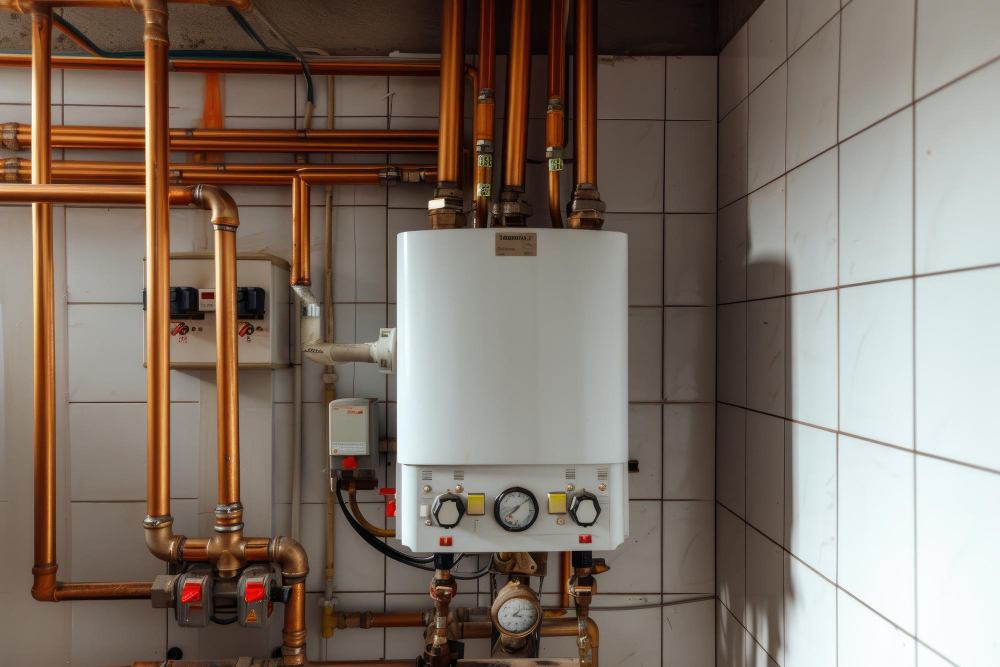
Gas boilers use natural gas as a source of fuel to heat water in an efficient manner. The heat generated warms water, which is then circulated via radiators, underfloor heating, and taps throughout your home. Gas boilers are popular because they heat quickly and are inexpensive to install. As a result of using fossil fuels such as natural gas, gas boilers also generate carbon emissions, which has led to increasing interest in more sustainable alternatives such as heat pumps.
Installation Cost
When comparing heat pumps with gas boilers, it is important to understand the difference in upfront costs associated with installation.
Heat Pump:
Air source heat pumps can be expensive to install. To give a guide price, homeowners should expect to pay between £7,000 and £13,000. Ground source heat pump installations can cost £15,000 or more. This is due to the potential associated costs. E.g. additional insulation, upgrading radiators and groundworks.
Gas boiler:
Gas boiler installation typically costs between £2,000 and £4,500 and is often quicker and simpler to install, especially in homes that already have a gas supply and radiators. In contrast, heat pumps usually require more extensive installation and higher upfront costs. Therefore, for households with limited budgets, a gas boiler may be the more practical option.
Running Costs and Efficiency
Heat pumps are more effective, which means they typically cost less to run over time. For the same amount of heating, an electric heat pump can deliver around three to four times more energy per unit of electricity compared to gas systems. A gas boiler operates at an efficiency of only 90% to 95 %. Therefore, it may take less energy to get an equivalent quantity of heating from an electric heat pump. Local electricity and natural gas prices will impact actual operating costs.
Heating Performance
Heat pumps heat a home more slowly than boilers. However, they maintain a consistent indoor temperature, creating a more even level of warmth throughout the home.
In contrast, Gas boilers heat up very quickly and can raise the temperature of living space faster. Gas boilers work better in cold climates, although modern heat pumps are continually improving.
Lifespan and Maintenance
Heat pumps typically have lifespans of 10 to 15 years, whereas gas boilers usually last around 15 to 20 years. Both systems require regular maintenance, but their lifespan and safety considerations differ. Gas boilers can require service for safety checks and maintenance.
Whereas heat pumps will usually require similar types of maintenance, they tend to have far fewer safety-related issues than gas boilers because they do not burn fuel.
Which One Should You Choose?
Choosing a heat pump is a wise decision if you are looking for long-term cost savings, increased efficiency and decreased carbon footprint. On the other hand, if your home is properly insulated and you want both heating and cooling, a heat pump is a good option for you.
Conversely, if you are looking for lower upfront costs or need rapid heat generation, a gas boiler may be better suited to your needs. Also, in extremely cold regions, gas boilers are often more practical than heat pumps.
Final Thoughts
The two types of heating systems have both pros and cons. Gas boilers are less expensive to install, and they reach operating temperature more quickly. Heat pumps are higher initial cost options but may provide a cost advantage in the long term by requiring less energy to operate and providing a longer useful life.
Simply stated, gas boilers have lower upfront costs, while heat pumps are generally a better long-term value. Your choice of type of heating system will depend on your budget, home, and the project’s future.