
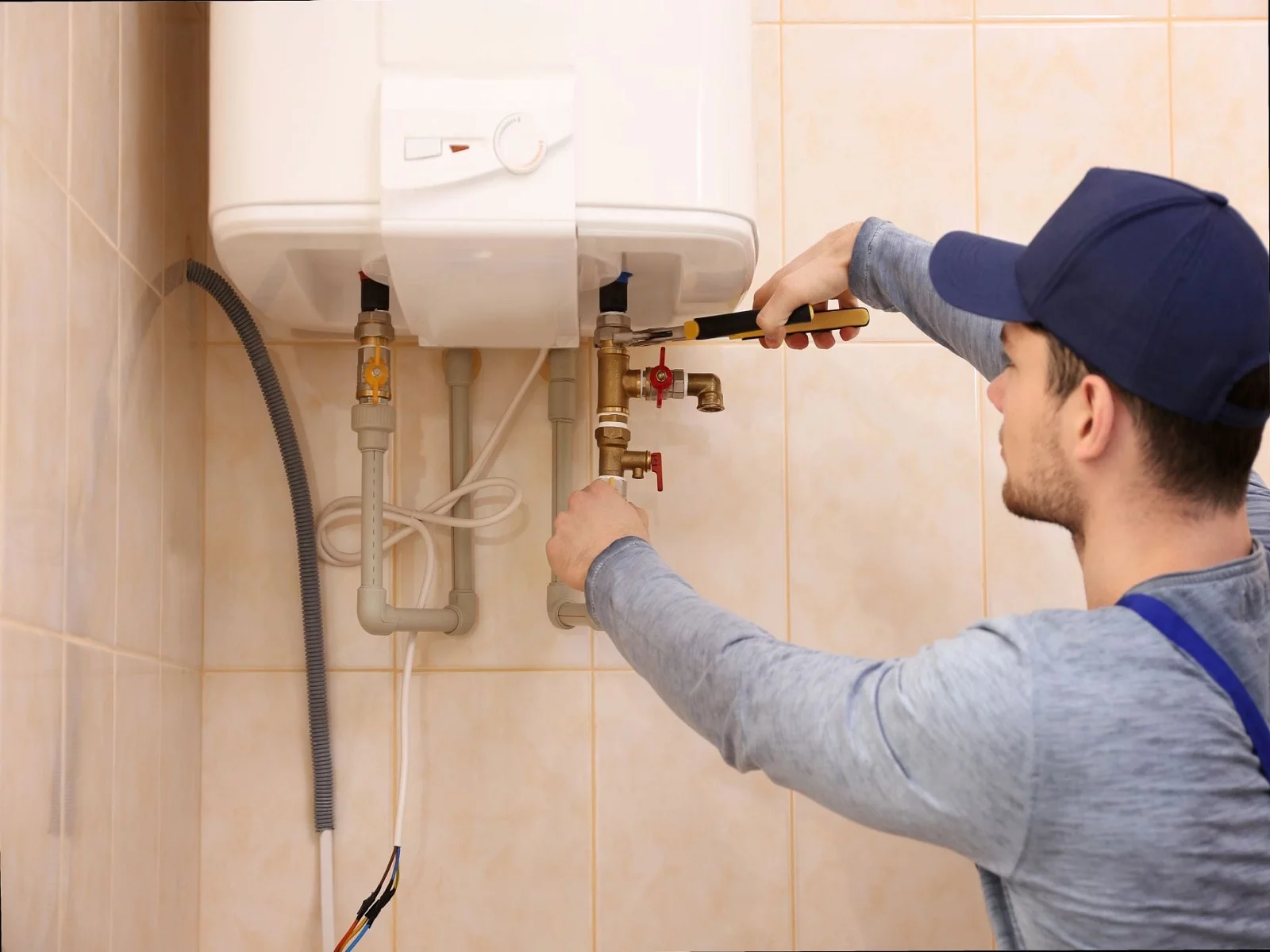
Replace your boiler when it is 10 to 15 years old, needs frequent repairs, gives poor heating or hot water, leaks, makes strange noises, or increases your energy bills. If parts are hard to find or safety issues appear, a new boiler is the safer choice.
A boiler is one of those household essentials people rarely think about until it starts making strange noises, losing pressure, leaking water, or giving up completely in the middle of winter, naturally, because nothing says “modern comfort” like standing in a cold kitchen wearing three jumpers while staring at a blinking boiler screen.
Knowing when to replace boiler systems can save you money, improve your home’s energy efficiency, and prevent the stress of sudden breakdowns. Many homeowners only ask, do I need a new boiler, when their current one has already become expensive, unreliable, or unsafe. However, the signs often appear long before a complete failure.
In this guide, we will explain when a boiler needs replacing, how long a boiler should last, what warning signs to look for, and why replacing an old boiler at the right time can be better than repeatedly paying for repairs.
How Long Should a Boiler Last?
A common question homeowners ask is, “How long should a boiler last? In the UK, a well-maintained modern boiler usually lasts around 10 to 15 years. Some boilers may continue working beyond this, especially if they have been serviced regularly, but age alone does not tell the full story.
A boiler that is 12 years old and running efficiently may still have useful life left. On the other hand, a boiler that is only 8 years old but constantly breaking down may already be costing more than it is worth. The condition, service history, usage level, installation quality, and type of boiler all affect its lifespan.
If your boiler is over 10 years old, it does not automatically mean you need to replace it immediately. However, it does mean you should start paying closer attention to performance, energy bills, repair frequency, and safety.
When Should I Replace My Boiler?
You should consider replacing your boiler when it becomes unreliable, inefficient, expensive to repair, or no longer meets your heating and hot water needs. A boiler replacement is usually recommended if your system is more than 10 to 15 years old, breaks down often, makes unusual noises, leaks, loses pressure repeatedly, or causes your energy bills to rise without a clear reason.
The right time to replace a boiler is before it completely fails. Waiting until it stops working may leave you with emergency costs, limited installation options, and unnecessary discomfort. Planned replacement gives you time to choose the right boiler, compare options, and avoid rushing into a poor decision.
Signs You May Need a New Boiler
Many boiler problems start small. The issue is that most people ignore them because the heating still turns on, and apparently, “still working” is the national standard for delaying home repairs.
Here are the main signs that your boiler may need replacing.
Your Boiler Is Over 10 to 15 Years Old
If you are wondering how often you should replace your boiler in the UK, the usual answer is around every 10 to 15 years, depending on the condition of the system. Boilers do not have a fixed expiry date, but older systems naturally become less efficient and more prone to faults.
Older boilers may also have outdated parts, lower efficiency ratings, and limited compatibility with newer heating controls. Even if the boiler still works, it may be using more gas than necessary to heat your home.
A modern condensing boiler can heat your property more efficiently, which may help reduce energy waste. If your current boiler is more than 10 years old, it is worth booking a professional inspection to check whether replacement would be more cost-effective than continued repairs.
Your Energy Bills Keep Rising
Energy prices can rise for many reasons, but if your usage has stayed the same and your bills keep increasing, your boiler could be part of the problem. As boilers age, they often lose efficiency. This means they need to work harder and use more fuel to produce the same level of heat.
An inefficient boiler may still heat your home, but it does so in a more expensive way. You may notice that rooms take longer to warm up, the heating needs to stay on for longer, or your hot water is inconsistent.
Replacing an old boiler with a newer, energy-efficient model can help reduce wasted energy. While a new boiler is an investment, the long-term running costs may be lower, especially if your existing boiler is outdated or poorly performing.
Repairs Are Becoming Too Frequent
An occasional repair does not always mean you need a new boiler. Every heating system can develop faults from time to time. However, if you are calling an engineer several times a year, the repair costs can quickly become unreasonable.
A useful rule is to compare the cost of repairs with the cost of replacement. If a major repair costs a large percentage of the price of a new boiler, replacement may be the smarter choice. This is especially true if the boiler is already old.
Frequent faults are one of the clearest answers to the question, when does a boiler need replacing? If your boiler is becoming unreliable, it may only be a matter of time before a more serious breakdown happens.
Replacement Parts Are Hard to Find
Older boilers can become difficult to repair when manufacturers stop producing certain parts. If your engineer tells you that parts are obsolete, hard to source, or unusually expensive, this is a strong sign that replacement should be considered.
Even if a temporary fix is possible, it may not be a long-term solution. You could end up spending money on a repair today, only to face the same issue again in a few months.
A boiler with limited part availability can also leave you waiting longer for repairs. During colder months, that delay can be extremely inconvenient. Because apparently, boilers enjoy failing precisely when humans need heat the most.
Your Boiler Makes Unusual Noises
Boilers are not completely silent, but they should not sound like they are rehearsing for a small industrial disaster. Banging, whistling, gurgling, clunking, or vibrating noises can all point to internal problems.
Common causes include trapped air, limescale build-up, pump faults, low pressure, or issues with water circulation. Some noises can be fixed with a repair, but persistent or worsening sounds may suggest a deeper problem.
If an older boiler keeps making unusual noises even after maintenance, replacement may be the safest and most practical option.
Your Boiler Leaks
A leaking boiler should never be ignored. Water around the boiler can indicate failed seals, internal corrosion, broken valves, or pressure problems. Some leaks may be repairable, but others can point to serious wear inside the system.
Leaks can also damage nearby walls, flooring, cupboards, and electrical components. If your boiler has started leaking and it is already ageing, replacement may be more sensible than repeatedly patching the issue.
Always turn off the boiler and contact a qualified heating engineer if you notice a leak. Do not try to open the boiler casing yourself. Boilers involve gas, water, electricity, and enough risk to make DIY confidence a terrible personality trait.
Your Heating Is Inconsistent
If some rooms heat properly while others remain cold, your boiler may be struggling to circulate hot water effectively. Inconsistent heating can also be caused by radiators, pipework, trapped air, or sludge in the system, so a professional diagnosis is important.
However, if your boiler is old and consistently failing to heat the home evenly, it may no longer be powerful or efficient enough for your property. This is especially common if your household has grown, you have extended the property, or your hot water demand has increased.
A correctly sized replacement boiler can improve comfort and provide more reliable heating across the home.
Your Hot Water Runs Out Quickly
A boiler that no longer provides enough hot water can become frustrating very quickly. If the shower goes cold, taps take too long to heat, or hot water pressure is poor, your boiler may no longer be meeting your household’s needs.
This does not always mean replacement is required. The issue could be linked to a valve, thermostat, pressure fault, or limescale. However, if the boiler is older and hot water performance keeps declining, a new boiler may be the better long-term solution.
For larger households, upgrading to a more suitable boiler type may also help improve hot water availability.
Your Boiler Smells Strange or Shows Safety Concerns
A boiler should not produce unusual smells. If you ever smell gas, turn off the gas supply if safe to do so, open windows, avoid using switches or flames, leave the property, and contact the National Gas Emergency Service immediately.
Other warning signs include yellow or flickering flames, soot marks, frequent pilot light issues, headaches, dizziness, or nausea when the boiler is running. These symptoms can indicate serious safety risks, including possible carbon monoxide exposure.
A carbon monoxide alarm should be fitted near fuel-burning appliances. If your boiler raises any safety concerns, it must be checked by a Gas Safe registered engineer immediately. Safety is not the place to be heroic or cheap.
Your Boiler Has a Low Energy Efficiency Rating
Older boilers are often much less efficient than modern systems. If your boiler has a poor efficiency rating, it may be wasting fuel every time you use it.
A newer boiler can offer better energy performance, improved heating controls, and more consistent operation. This can make your home warmer while reducing unnecessary energy use.
If you are not sure about your boiler’s efficiency, check the model details or ask a heating engineer during a service. If the boiler is old, inefficient, and increasingly unreliable, replacement may be the best route.
Your Boiler No Longer Works With Modern Controls
Smart thermostats and modern heating controls can help you manage energy use more effectively. However, some older boilers may not work well with newer control systems.
If your boiler cannot support modern controls, timers, or zoning options, you may be missing out on better heating management. A replacement boiler can make it easier to control when and where heat is used in your home.
This is useful for households trying to reduce wasted energy and improve comfort without constantly adjusting the boiler manually, like it is some ancient ritual.
Should You Repair or Replace Your Boiler?
The decision between repair and replacement depends on age, condition, repair cost, reliability, and efficiency.
Repair may be suitable if:
- Your boiler is relatively new.
- The fault is minor.
- Parts are easy to find.
- The repair cost is low.
- The boiler has been reliable overall.
- Replacement may be better if:
- Your boiler is over 10 to 15 years old.
- Repairs are becoming frequent.
- Parts are difficult to source.
- Energy bills are rising.
- The boiler is inefficient.
- There are safety concerns.
- The boiler no longer meets household demand.
A qualified heating engineer can assess the system and explain whether repair or replacement is more practical. Do you need a new boiler? The answer usually depends on whether your current boiler is still safe, reliable, and economical to run.
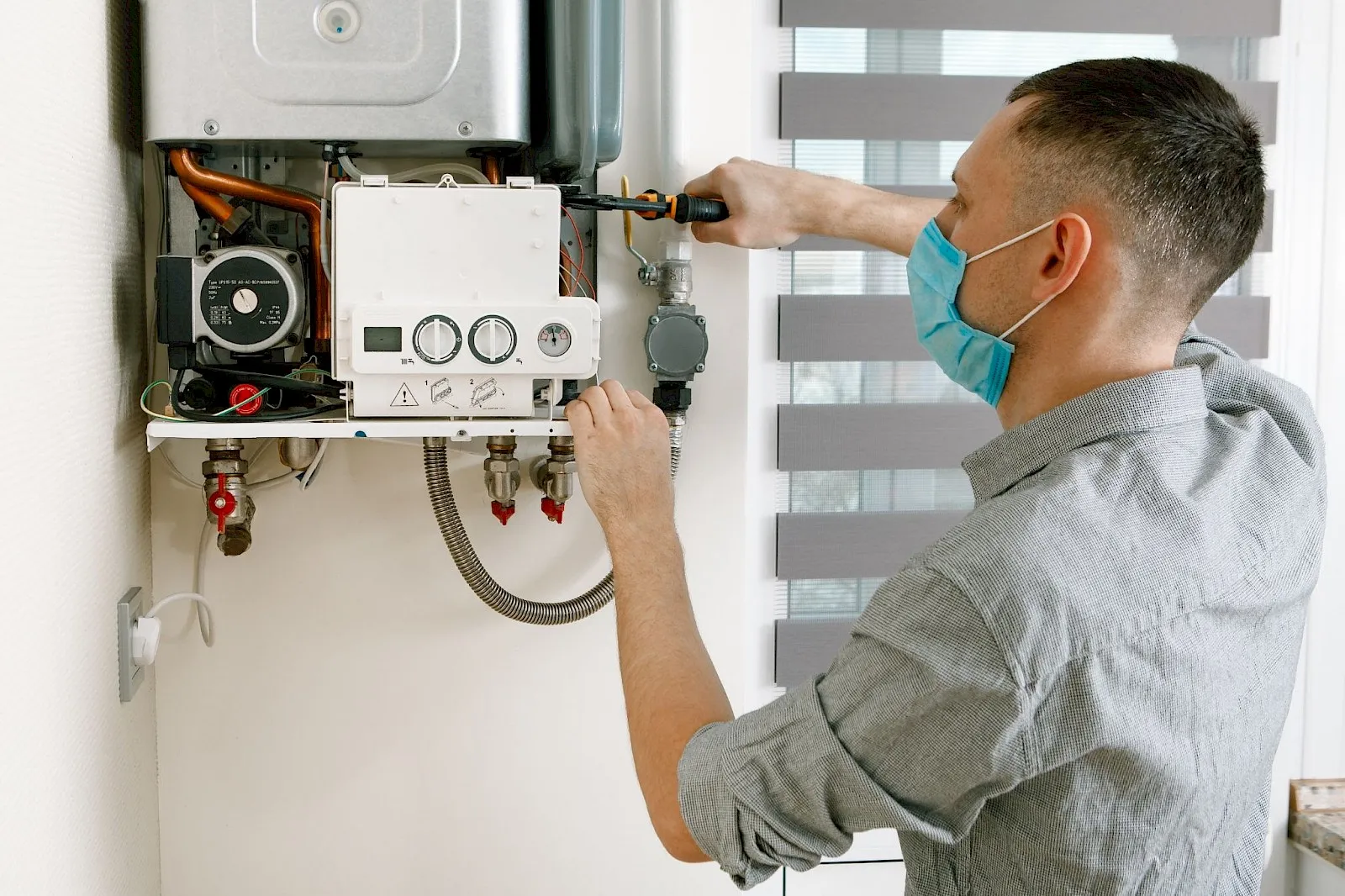
How Often Should You Replace Your Boiler in the UK?
Many UK homeowners replace their boiler every 10 to 15 years. However, this is not a strict rule. Some boilers may last longer with excellent maintenance, while others may need replacing sooner due to poor installation, heavy use, water quality issues, or repeated faults.
The question of how often you should replace your boiler in the UK should be answered by looking at performance, not just age. A boiler should be replaced when it is no longer cost-effective, safe, or suitable for your home.
Annual servicing plays a major role in extending boiler life. A regularly serviced boiler is more likely to run safely, efficiently, and reliably. It also helps identify early issues before they become expensive problems.
What Type of Boiler Should You Choose as a Replacement?
If replacement is needed, choosing the right boiler matters. The best option depends on your property size, number of bathrooms, hot water usage, and existing heating system.
Combi Boilers
A combi boiler provides heating and hot water from one compact unit. It does not usually need a separate hot water cylinder, making it popular for smaller and medium-sized homes.
Combi boilers are efficient and space-saving, but they may not be ideal for properties with high hot water demand from multiple bathrooms being used at the same time.
System Boilers
A system boiler works with a hot water cylinder, making it suitable for homes with higher hot water needs. It can provide hot water to multiple outlets more effectively than many combi boilers.
This option is often chosen for larger homes or families that use a lot of hot water.
Regular Boilers
A regular boiler, also known as a conventional or heat-only boiler, is usually found in older heating systems. It works with both a hot water cylinder and a cold-water storage tank.
This may be suitable for homes with traditional systems, but many homeowners choose to upgrade depending on the layout and requirements of the property.
Benefits of Replacing an Old Boiler
Replacing your boiler at the right time offers several benefits.
Better Energy Efficiency
A modern boiler can use fuel more efficiently, helping reduce waste. This may lower energy bills over time, especially if your old boiler was inefficient.
Improved Reliability
A new boiler is less likely to break down frequently. That means fewer emergency callouts, fewer repair costs, and fewer mornings spent wondering why the house feels like a storage unit.
More Consistent Heating
A properly sized new boiler can heat your home more evenly and provide better hot water performance.
Quieter Operation
Modern boilers are usually quieter than older models. If your current boiler bangs, whistles, or vibrates, the difference can be noticeable.
Better Heating Controls
A new boiler can often be paired with modern thermostats and smart controls, helping you manage heating more efficiently.
Increased Property Appeal
A newer boiler can be attractive to future buyers because it suggests lower maintenance risk and better energy performance.
When Is the Best Time to Replace a Boiler?
The best time to replace a boiler is before winter. Heating engineers are usually busier during colder months because boilers tend to fail when they are under the most pressure.
Spring, summer, and early autumn can be better times to arrange a planned boiler replacement. You may have more appointment flexibility and less disruption if the heating needs to be turned off during installation.
Waiting until your boiler fails can create stress, especially if you need emergency heating or hot water. Planning gives you more control over cost, timing, and boiler choice.
How to Extend the Life of Your Boiler
Even if you are not ready to replace your boiler yet, proper maintenance can help keep it working safely and efficiently.
- Book an annual boiler service with a Gas Safe registered engineer.
- Keep the boiler pressure at the recommended level.
- Bleed radiators when needed.
- Install a magnetic filter if suitable.
- Power flush the system if sludge is causing circulation problems.
- Use heating controls correctly.
- Do not ignore strange noises, leaks, or error codes.
- Fit a carbon monoxide alarm.
Regular care can help prevent avoidable faults. However, maintenance cannot make an old boiler last forever. Eventually, replacement becomes the more sensible option.
Professional Boiler Replacement Advice
If you are unsure whether your boiler should be repaired or replaced, a professional inspection is the safest place to start. An engineer can check the boiler’s age, condition, efficiency, parts availability, and safety.
Bio Tech Heating Service can help homeowners understand whether their current boiler is still worth repairing or whether a replacement would provide better long-term value.
A good heating engineer should not push replacement unnecessarily. They should explain the condition of your boiler clearly, outline your options, and recommend a suitable solution based on your home’s actual needs.
Final Thoughts
So, when should you replace your boiler? The simple answer is: replace it when it becomes old, inefficient, unsafe, unreliable, or too expensive to repair.
Most boilers last around 10 to 15 years, but age is only one factor. If your boiler keeps breaking down, raises your energy bills, struggles to heat your home, leaks, makes strange noises, or has hard-to-find parts, it may be time to consider a replacement.
A planned boiler replacement can save stress, improve energy efficiency, and give your home a more reliable heating system. Instead of waiting for a full breakdown, pay attention to the warning signs and get expert advice before the problem becomes urgent.